
Daily News
Reminder: Help Protect the Greater Cincinnati Community from Mosquito-Borne Diseases, Including West Nile Virus
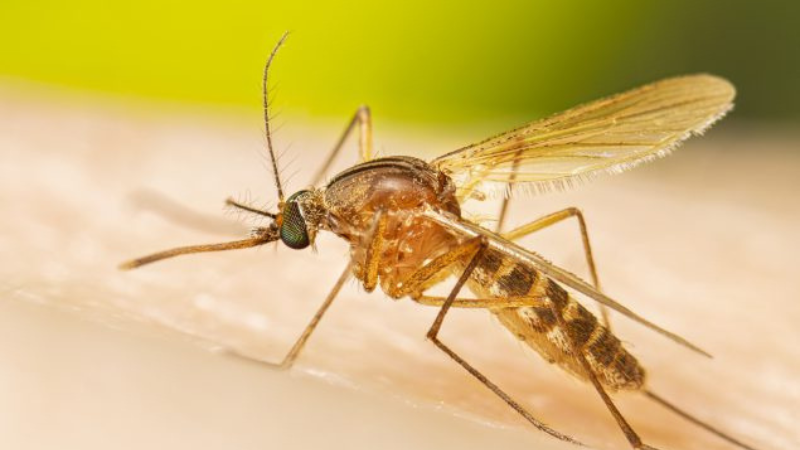
CINCINNATI – July 8, 2026 – As hot, humid and stormy summer weather settles into the Greater Cincinnati area for the next few months, the Cincinnati Health Department (CHD) reminds residents and businesses that they play a key role in helping minimize the rise and spread of mosquito-borne diseases, including West Nile Virus, in our community.
The two most effective ways to avoid mosquito-borne disease are eliminating mosquito breeding sites and avoiding mosquito bites.
CHD Commissioner Dr. Grant Mussman: “West Nile Virus and other mosquito-borne diseases are commonly detected each summer in Cincinnati and the greater Tri-State region. The heavy rain and excessive heat and humidity over the last two weeks create the perfect environment for mosquito-borne diseases to potentially emerge. Thankfully, there are simple precautions residents can take to protect themselves and limit the community’s risk of mosquito-borne diseases.
“First and foremost, dump out any standing water you see. Removing collected water eliminates places where mosquitoes can breed and diseases can spread. Second, limit your exposure to mosquito bites by wearing repellent, covering up when you’re outside, and avoiding outdoor activities when mosquitos are most active,” Dr. Mussman said.
In the Greater Cincinnati area, Mosquito season runs from May through October.
Eliminating Mosquito Breeding Sites
After storms and extended rain, pools of standing water frequently form on property and in yards. Mosquitoes seek this stagnant, standing water to breed and lay their eggs, which results in a growing mosquito population and an increased risk of mosquito-borne diseases impacting the area.
Residents can help lower the risk of mosquito-borne diseases – including West Nile Virus – by looking for and emptying sources of standing water on their property, including:
-
Puddles
-
Open barrels and buckets
-
Gardening pots and saucers
-
Pools, including kiddie pools, pet pools, and depressions in pool covers
-
Tires
-
Boats
-
Toys and sporting equipment
-
Sources that can hold any amount of water, including bottle caps, cups and bags.
Additionally, residents can further help minimize risk by:
-
Turning over barrels, pots, small pools, and other hollow items when not they are not in use to prevent water from accumulating.
-
Replacing stagnant water in bird baths, fountains, and pet dishes with fresh water multiple times per week.
-
Keeping swimming pools, fountains, and decorative ponds clean and chemically treated, and maintaining water circulation.
-
Cleaning out dirty gutters to prevent standing water from collecting in debris.
When standing water cannot be drained, the use of BTi (Bacillus thuringiensis israelensis) briquettes – such as Mosquito Dunks® – can kill mosquito larvae and are available at home improvement stores, hardware stores, some grocery stores, and online.
While BTi is deadly to mosquito larvae, it’s harmless to humans, animals and aquatic life, and provides protection for up to 30 days.
Avoiding Mosquito Bites
Residents can consider additional steps to help limit their exposure to mosquitoes and potential mosquito-borne diseases.
- Limit outdoor activities at dawn and dusk when mosquitoes are most active.
- Wear light-colored, loose clothing that covers the whole body when outside for longer periods of time, and especially when mosquitoes are most active.
- Use EPA-approved mosquito repellant or insect spray, being sure to follow labeled instructions for proper application on adults, children, and property.
- Repair or replace old or torn screens in windows, doors, and vents.
The CDC provides additional information about mosquito-bite prevention on its website.
Protecting the City from Mosquito-Borne Diseases
CHD conducts regular and ongoing surveillance of mosquito-borne diseases in Cincinnati, which includes trapping and testing mosquitoes throughout the city’s neighborhoods on a rotating basis, and tracking and monitoring positive test locations and potential spread throughout the community.
When a positive pool of mosquitoes is identified, CHD’s Technical Environmental Services team contacts all residents within a ½- to one-mile radius of the positive pool location. The team informs nearby residents of the positive West Nile Virus result in the area and shares additional information about how they can help protect themselves.
Prevalence of West Nile Virus in Cincinnati
West Nile Virus has not yet been detected through CHD’s testing in 2026, but that doesn’t mean the City has a low risk this year.
It’s still early in the season, with the hottest, wettest portion of mosquito season still ahead. The CHD announced the city’s first positive identification of West Nile Virus in a sample in early July in each of the last three years.
In fact, the CHD’s testing has detected an average of 27 positive mosquito pools every year since 2023, results much higher than the City’s prior 10-year average of three positive pools per year dating back to 2013.
While positive mosquito pools have risen significantly in the last three years, no human in Cincinnati has been diagnosed with West Nile Virus since the last confirmed case of a City resident in 2012.
About West Nile Virus
The U.S. Center for Disease Control (CDC) cites West Nile Virus as the leading cause of mosquito-borne disease in the continental United States. It’s generally spread to humans through the bite of an infected mosquito.
Once bitten by an infected mosquito, the typical incubation period for West Nile Virus is two to six days but can range up to 14 days.
There is no vaccine to prevent West Nile Virus. Most people – 70-80% – who become infected show no symptoms. About 20% – or one in five people infected – will develop a fever and/or other symptoms like headache, body aches, joint pain, nausea and vomiting, diarrhea, or a rash, and most will recover completely.
Less than 1% of people – about 1 in 150 infected people – will develop a serious neurological illness, such as encephalitis or meningitis, with symptoms that can include headache, high fever, neck stiffness, disorientation, tremors, seizures, paralysis, and coma. Recovery from a severe case may take several weeks or months, and some neurologic effects may be permanent. About 10% of those who develop neurologic infection from West Nile Virus die from complications.
For questions or more information regarding West Nile Virus, mosquitoes or other mosquito-borne diseases, contact the Cincinnati Health Department’s Technical Environmental Services Unit at 513-352-2922, or visit the CDC or Ohio Department of Health’s West Nile Virus websites.